
Kan-Min-Kogaku Column #23: Changing Society Through Care — CHANGE, Chapter 2
A Happy New Year!
Japan faces an unprecedented pace of population aging and declining birthrates, leading to severe labor shortages in healthcare and nursing care. Amidst this, the Ministry of Education, Culture, Sports, Science and Technology (MEXT) and Japan Science and Technology Agency (JST) launched the co-creation program “CHANGE,” aiming to build a resilient, healthy, long-lived society led by medical-engineering-nursing co-creation. the Innovation Center of NanoMedicine (iCONM) belonging the Kawasaki Institute of Industrial Promotion, serving as lead organizations, continue activities where universities, companies, government, and citizens connect across boundaries to design future care.
Project CHANGE, adopted as a 10-year project, has now entered its fourth year and will finally begin its second phase in fiscal year 2026. During Phase 1, experts from diverse fields such as medicine, nursing, and engineering collaborated to build a foundation for co-creation, addressing challenges arising from care settings through science and technology. In Phase 2, the goal is to widely deploy the outcomes of research and development into society and promote them domestically and internationally as “Care Innovation from Kawasaki.”
Medical technology evolves daily, yet care settings still rely heavily on human effort. We are introducing engineering expertise into this field, championing a new concept called “Nursing Engineering.” To realize a society where anyone can receive care with peace of mind and also provide care, we are developing next-generation care technologies. These include user-friendly tools, digital technologies, and monitoring systems utilizing data.
The Kawasaki Care Design Consortium (Care Saki), established as an offshoot of the project and fully operational since last April, is establishing mechanisms to swiftly deliver research outcomes to society through identifying challenges in nursing settings and conducting field tests. iCONM brings together diverse researchers from Japan and abroad. Within this richly diverse environment—where 40% of researchers are international and 30% are women—new ideas and technologies are continuously emerging. Furthermore, at universities like the University of Tokyo, education tackling elderly care from an engineering perspective and voluntary student initiatives have begun, spreading efforts to cultivate “care capabilities” among younger generations.
Toward a society where everyone is cared for and cares for others. From Kawasaki, a city where science and human warmth resonate, we move to the next stage. The CHANGE Project will continue co-creating a future healthy longevity society together with the community. We ask for your continued understanding and cooperation with the CHANGE Project.
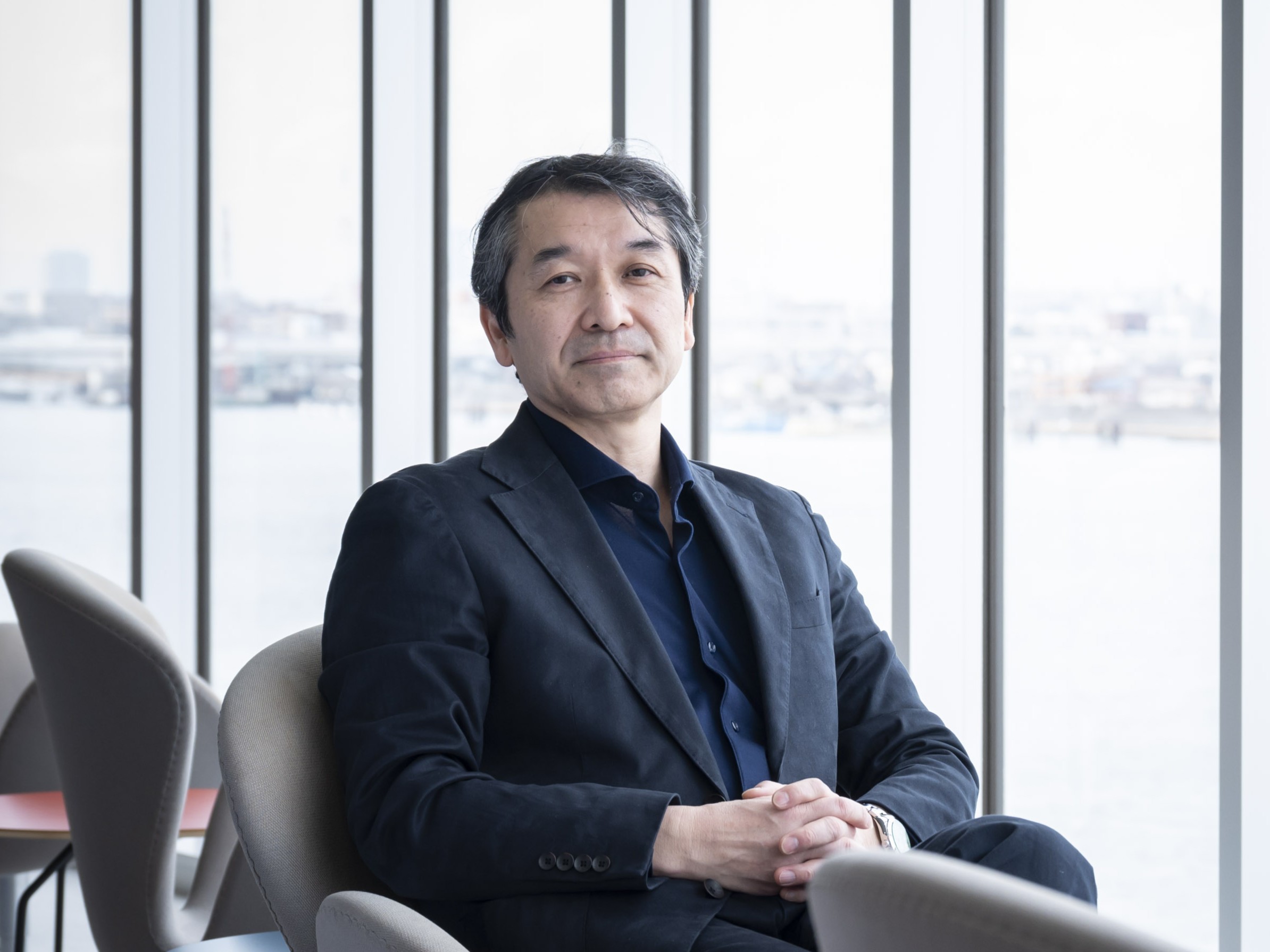
Prof. Dr. Takanori Ichiki
Leader of Project CHANGE
Research Director of iCONM
Professor of Materials Engineering, Graduate School of Engineering, the University of Tokyo